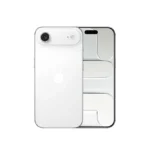
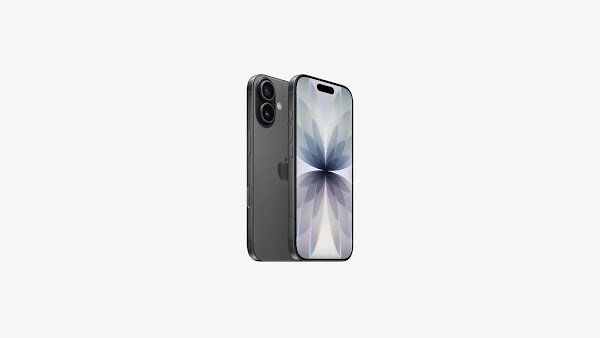
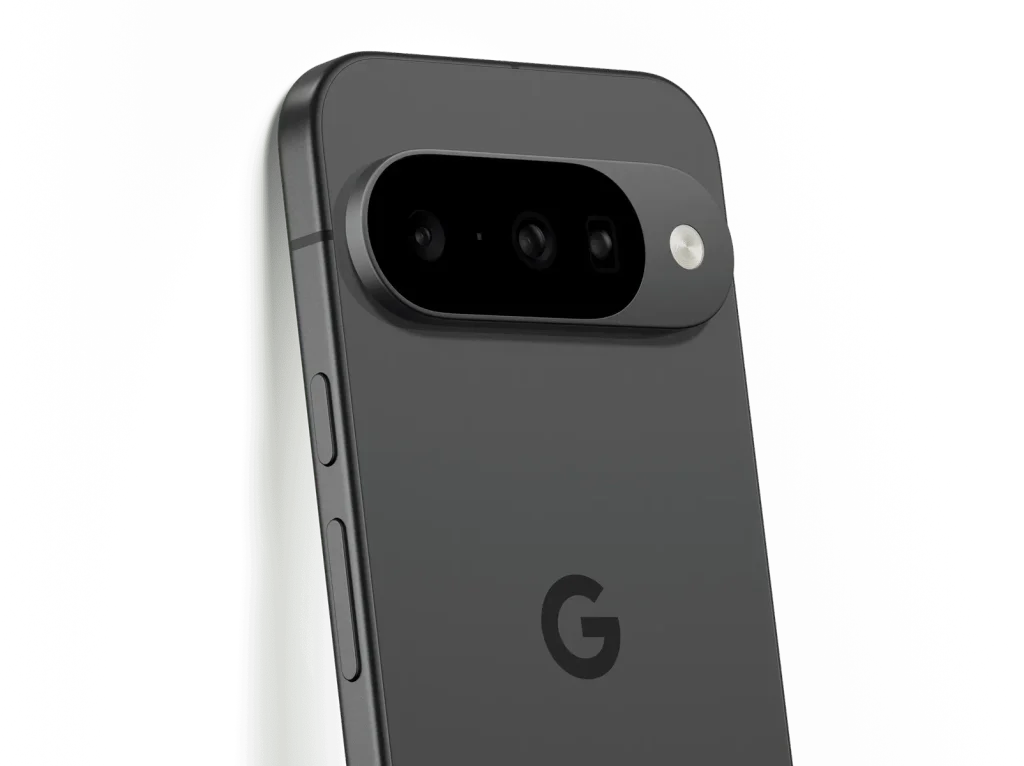
Forget flashy marketing claims and benchmark charts for a moment. The competition between Apple’s iPhone 17 and Google’s Pixel 10 has become much closer than previous generations. Both smartphones now focus on reliability, premium build quality, years of software support, and intelligent software features rather than simply chasing raw specifications.
Although these flagship devices appear remarkably similar on paper, they target different audiences. Apple’s ecosystem emphasizes raw performance, gaming, video recording, and seamless integration across its devices. Google’s Pixel 10, meanwhile, focuses on artificial intelligence, computational photography, contextual software, and a clean Android experience.
This detailed comparison explores every major aspect—including design, display, performance, cameras, AI capabilities, battery life, charging, and overall value—to help you decide which flagship truly deserves your money.
Table of Contents
Design and Display: A Comfort and Ergonomics Comparison
Apple and Google have arrived at nearly the same philosophy for compact flagship smartphones. Instead of chasing oversized displays, both manufacturers now offer comfortable devices featuring a 6.3-inch screen, premium aluminum construction, and lightweight designs that are easy to operate using one hand.
Whether you’re replying to messages, browsing social media, or taking photos, both phones feel exceptionally balanced in the hand. Their flat sides improve grip while maintaining a premium appearance, making them practical for users who dislike large “phablet” devices.
Quick Summary: Both smartphones prioritize comfort over sheer size, making them among the easiest premium phones to use with one hand.
iPhone 17 vs. Pixel 10: Form Factor — 6.3 Inches of Pure Ergonomics
Although the overall dimensions are nearly identical, Apple and Google approach button placement differently.
| Feature | iPhone 17 | Google Pixel 10 |
|---|---|---|
| Display Size | 6.3-inch | 6.3-inch |
| Frame | Aluminum | Aluminum |
| Power Button | Right Side | Right Side |
| Volume Buttons | Left Side | Right Side |
| One-Handed Usage | Excellent | Excellent |
Apple separates the power and volume controls by placing them on opposite sides of the phone. Existing iPhone users will immediately feel comfortable with this arrangement, but Android users transitioning from other brands may need a short adjustment period.
Google follows the familiar Android layout by placing both the power button and volume controls on the right side. This allows users to operate every physical control using only their thumb, making one-handed operation feel particularly natural.
Display Technology Comparison
Apple finally addresses one of the biggest criticisms of previous standard iPhones by replacing the 60Hz panel with a smooth 120Hz LTPO ProMotion display on the iPhone 17. The result is noticeably smoother scrolling, improved gaming responsiveness, and better power efficiency.
The Super Retina display also supports Dolby Vision, HDR10, a peak High Brightness Mode (HBM) of approximately 1,600 nits, and adaptive refresh rates that can dynamically scale down to just 1Hz for improved battery life.
Google keeps the same OLED display technology introduced on the Pixel 9 but improves brightness considerably. High Brightness Mode increases from 1,800 nits to 2,000 nits, while peak HDR brightness climbs to approximately 3,000 nits, making outdoor visibility noticeably better under direct sunlight.
| Specification | iPhone 17 | Pixel 10 |
|---|---|---|
| Display Size | 6.3-inch | 6.3-inch |
| Refresh Rate | 120Hz LTPO ProMotion | 120Hz OLED |
| HDR Support | Dolby Vision, HDR10 | HDR10+ |
| HBM Brightness | 1,600 nits | 2,000 nits |
| Peak Brightness | Approximately 2,500–3,000 nits | 3,000 nits |
| Adaptive Refresh Rate | 1Hz–120Hz | 1Hz–120Hz |
In everyday use, both displays are outstanding. The iPhone 17 delivers richer HDR playback and exceptional color calibration, while the Pixel 10 gains an advantage outdoors thanks to its higher sustained brightness levels.
Display Verdict: Apple closes the refresh-rate gap with its first 120Hz standard iPhone, while Google’s brighter OLED panel remains one of the easiest smartphone displays to view under direct sunlight.
iPhone 17 vs. Pixel 10: Performance and Everyday Experience
Performance is where Apple’s and Google’s philosophies differ the most. Apple continues to focus on delivering industry-leading CPU and GPU performance through its custom A-series silicon, while Google prioritizes artificial intelligence, computational photography, and software optimization with its Tensor platform.
The iPhone 17 is powered by Apple’s latest A19 processor paired with 12GB RAM, built to deliver exceptional speed, excellent power efficiency, and long-term performance stability. Whether editing 4K videos, playing demanding games, or multitasking between professional applications, the A19 consistently delivers flagship-level responsiveness.
Meanwhile, the Pixel 10 introduces Google’s first fully custom Tensor G5 processor manufactured by TSMC using a 3nm fabrication process. Unlike previous Tensor chips produced by Samsung, Tensor G5 offers improved thermal management, higher sustained performance, and noticeably better battery efficiency, although it comes with 8 GB RAM.
Although the Tensor G5 represents Google’s biggest silicon improvement in years, its primary strengths remain AI acceleration, contextual computing, voice recognition, and computational photography rather than outright processing power.
Real-World Observation: The iPhone 17 feels noticeably faster during demanding workloads, while the Pixel 10 focuses more on delivering an intelligent software experience than chasing benchmark numbers.
A19 vs. Tensor G5: Which 2025 Chip Claims the Performance Crown?
Synthetic benchmark scores provide one way of comparing processors, but they don’t always represent everyday performance. Even so, Apple’s A19 continues to dominate in CPU-intensive workloads, GPU rendering, and sustained gaming performance.
| Device | Approximate AnTuTu v10 Score |
|---|---|
| Apple iPhone 17 | Approximately 2.1 Million |
| Google Pixel 10 | Approximately 1.1 Million |
While Google’s software optimization helps narrow the gap during daily activities, the performance difference becomes much more noticeable during prolonged gaming sessions, heavy multitasking, and professional content creation.
Gaming Performance
The iPhone 17 delivers one of the best gaming experiences available on any smartphone. Apple’s optimized GPU and Metal graphics framework allow demanding titles such as Genshin Impact to run smoothly at higher frame rates with excellent thermal stability.
The Pixel 10 performs well for casual gaming, but extended sessions reveal the limitations of Tensor G5’s GPU. Frame rates can fluctuate in graphically demanding games, particularly during extended gameplay or crowded multiplayer matches.
| Gaming Comparison | iPhone 17 | Pixel 10 |
|---|---|---|
| Heavy Gaming Performance | Excellent | Very Good |
| Thermal Stability | Excellent | Improved over Tensor G4 |
| Frame Rate Consistency | Outstanding | Good |
| Long Gaming Sessions | Superior | Moderate |
For mobile gamers and power users, the iPhone 17 clearly maintains the advantage. Tensor G5 is a major improvement over previous generations but still trails Apple’s flagship silicon when pushed to its limits.
iPhone 17 vs. Pixel 10: Camera Comparison


Photography has long been one of Google’s strongest advantages, while Apple continues to dominate professional-quality smartphone video recording. Both devices produce outstanding photos, but they excel in different situations.
Google Pixel 10 Camera System
- 48MP primary camera (f/1.7)
- 10.8MP telephoto camera with 5× optical zoom
- 13MP ultrawide camera
The addition of a dedicated telephoto camera expands the Pixel 10’s versatility compared to its predecessor. Google’s computational photography continues to deliver natural colors, excellent HDR processing, and highly detailed night photography.
Apple iPhone 17 Camera System
- 48MP primary camera (f/1.6)
- 48MP ultrawide camera (upgraded from 12MP)
Apple significantly upgrades the ultrawide sensor this year, improving image quality, low-light performance, and overall consistency between lenses. Combined with the A19 processor’s advanced image signal processor, the iPhone 17 produces excellent photos and industry-leading video.
| Camera Feature | iPhone 17 | Pixel 10 |
|---|---|---|
| Main Camera | 48MP | 48MP |
| Ultrawide Camera | 48MP | 13MP |
| Telephoto Camera | — | 10.8MP (5× Optical Zoom) |
| Video Recording | Industry-leading | Excellent |
| Computational Photography | Excellent | Outstanding |
Camera Verdict: Choose the Pixel 10 if zoom photography and AI image processing matter most. Choose the iPhone 17 if professional-quality video recording is your priority.
AI Features and Smart Software Comparison
Artificial intelligence has become one of the biggest differentiators between modern flagship smartphones. While both Apple and Google now integrate AI deeply into their operating systems, their approaches remain fundamentally different.
iPhone 17 AI Features
- Siri with Apple Intelligence enhancements
- Writing Tools for summarizing and rewriting text
- AI-powered search and transcription
- Live Translation
- Genmoji custom emoji generation
- Image Playground creative tools
Google Pixel 10 AI Features
- Gemini Live
- Magic Editor
- Magic Eraser
- Circle to Search
- Call Assist
- Live Translate
- Magic Queue (context-aware assistant)
- AI-powered photo editing and zoom enhancement
Apple’s A19 processor delivers exceptional neural processing performance, enabling fast on-device AI tasks while maintaining excellent privacy. Google’s Tensor G5, despite offering lower raw AI throughput on paper, compensates through software optimization and deeper Gemini integration across Android.
As a result, the Pixel 10 often feels more proactive in daily use by surfacing contextual suggestions, organizing information, and simplifying everyday tasks without requiring much user interaction.
AI Verdict: Apple focuses on fast, privacy-centric AI features, while Google delivers a more intelligent, context-aware experience that feels deeply integrated into Android.
iPhone 17 vs. Pixel 10: Battery and Ports
Battery life has improved on both smartphones, but each manufacturer takes a different approach. Apple continues to rely on hardware and software optimization to maximize efficiency from a relatively small battery, while Google combines a larger battery with the improved efficiency of the Tensor G5 processor.
The Pixel 10 benefits from Google’s first TSMC-manufactured Tensor chipset, which significantly reduces overheating and thermal throttling compared to previous Tensor generations. This allows the phone to maintain stable performance while consuming less power during everyday use.
Apple’s A19 processor remains one of the most efficient smartphone chipsets available. Although the iPhone 17 houses a considerably smaller battery, iOS optimization enables it to comfortably last through an entire day for most users.
| Specification | iPhone 17 | Google Pixel 10 |
|---|---|---|
| Battery Capacity | 3,692 mAh | 4,970 mAh |
| Wired Charging | USB-C Fast Charging | USB-C Fast Charging |
| Wireless Charging | 25W MagSafe / Qi2 | 15W Qi2 |
| USB Standard | USB Type-C 2.0 | USB Type-C 3.2 |
| DisplayPort Support | Supported | Supported via USB-C 3.2 |
One notable hardware advantage belongs to the Pixel 10. Its USB 3.2 Type-C port offers significantly faster data transfer speeds than the iPhone 17’s USB 2.0 implementation, making it more suitable for transferring large videos and backups.
Battery Verdict: The Pixel 10 offers greater battery capacity and faster wired data transfer, while the iPhone 17 compensates with exceptional power efficiency and faster MagSafe wireless charging.
iPhone 17 vs. Pixel 10 Final Verdict: Which One Should You Buy?
The gap between Apple’s iPhone and Google’s Pixel lineup has never been smaller. Both devices deliver premium build quality, excellent displays, years of software support, reliable cameras, and increasingly capable AI-powered features.
Instead of asking which phone is objectively better, the more useful question is which one better suits your daily habits and preferred ecosystem.
Choose the iPhone 17 if:
- You want the fastest processor available in a mainstream flagship.
- You regularly play demanding mobile games.
- You record lots of professional-quality videos.
- You already own other Apple devices like a Mac, iPad, Apple Watch, or AirPods.
- You value long-term app optimization and ecosystem integration.
Choose the Pixel 10 if:
- You prefer Android’s flexibility and customization.
- You enjoy Google’s AI-powered productivity tools.
- You frequently use Google services such as Gmail, Photos, Maps, and Gemini.
- You want a telephoto camera without purchasing a Pro model.
- You prioritize battery capacity and intelligent software features.
Feature Breakdown
| Category | Winner |
|---|---|
| Raw Performance | 🏆 iPhone 17 |
| Gaming Performance | 🏆 iPhone 17 |
| Video Recording | 🏆 iPhone 17 |
| Computational Photography | 🏆 Pixel 10 |
| AI Intelligence | 🏆 Pixel 10 |
| Google Services Integration | 🏆 Pixel 10 |
| Third-Party App Optimization | 🏆 iPhone 17 |
| Battery Capacity | 🏆 Pixel 10 |
| Wireless Charging | 🏆 iPhone 17 |
| USB Data Transfer | 🏆 Pixel 10 |
| Software Ecosystem | Depends on User Preference |
The Bottom Line
The iPhone 17 and Google Pixel 10 represent two of the best compact flagship smartphones available, but they excel in different areas.
The iPhone 17 remains the stronger choice for users who prioritize raw processing power, industry-leading gaming performance, professional-grade video recording, and seamless integration with Apple’s ecosystem. Its A19 processor continues to set the benchmark for mobile performance while ensuring excellent long-term reliability.
The Google Pixel 10, meanwhile, shines through its intelligent software experience. Deep Gemini integration, advanced computational photography, contextual AI features, and excellent battery endurance make it one of the smartest Android phones available. Users invested in Google’s services will appreciate how naturally the Pixel fits into their daily workflow.
Final Recommendation: If maximum performance, gaming, and video creation are your priorities, choose the iPhone 17. If you value AI-powered productivity, Google’s software ecosystem, computational photography, and battery endurance, the Pixel 10 is the better fit.
Frequently Asked Questions (FAQs)
Is the iPhone 17 faster than the Google Pixel 10?
Yes. Apple’s A19 processor delivers significantly stronger CPU and GPU performance than Google’s Tensor G5, making the iPhone 17 the better choice for gaming, video editing, and other demanding workloads.
Which phone has the better camera?
Both smartphones capture excellent photos. The Pixel 10 excels in computational photography and zoom capabilities thanks to its dedicated telephoto camera, while the iPhone 17 remains the leader in smartphone video recording.
Which device offers better battery life?
The Pixel 10 features a larger 4,970mAh battery and generally delivers longer endurance. However, the iPhone 17’s efficient A19 processor and iOS optimization allow it to comfortably last a full day for most users.
Does the Pixel 10 support faster USB data transfer?
Yes. The Pixel 10 uses a USB Type-C 3.2 port, providing significantly faster data transfer speeds than the iPhone 17’s USB Type-C 2.0 port.
Which smartphone should most people buy?
If you’re already invested in Apple’s ecosystem, the iPhone 17 is the obvious choice. If you prefer Android and want powerful AI features, computational photography, and deeper Google integration, the Pixel 10 is the better option.