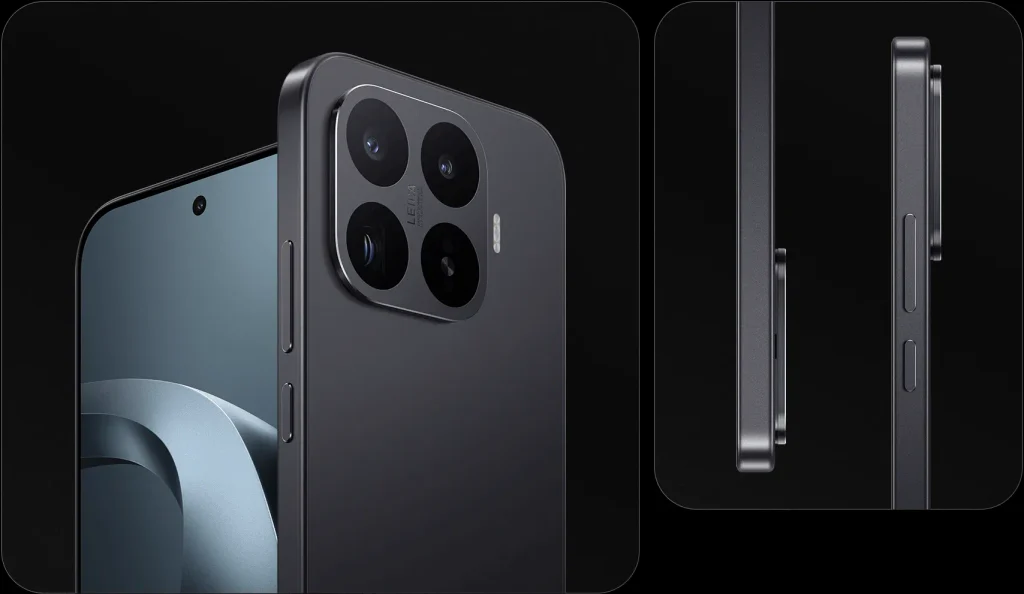
The Xiaomi 17T packs a 6,500 mAh battery and MediaTek’s Dimensity 8500-Ultra, making for a strong upper-midrange combination. However, tech enthusiasts have flagged two main compromises: a USB Type-C 2.0 and a user interface that occasionally feels unfinished. So is it worth buying, and will it hold up through 2027’s heavy app updates? Here is the full breakdown.


Table of Contents
How Good is the Xiaomi 17T Display?
The Xiaomi 17T features a 6.59-inch AMOLED panel, meaning blacks look truly deep rather than gray in low light. Its 120Hz refresh rate keeps touch responses and scrolling smooth, while HDR10+ and Dolby Vision support deliver a strong media consumption experience alongside a peak brightness of 3,500 nits.
It also supports 12-bit color depth (64 billion colors) with 100% DCI-P3 coverage. Colors look natural in the default Original Color Mode, and you can switch to Vivid Mode if you prefer punchier tones.
For gamers, Game Turbo enables a 3,200 Hz instantaneous touch sampling rate, making it a responsive choice for fast-paced titles like BGMI and PUBG Mobile. Day-to-day scrolling and media playback are seamless, though the panel cannot drop all the way down to 1Hz, which would have helped save even more battery.
Processor, Thermal Throttling & Memory
The Xiaomi 17T combines MediaTek’s Dimensity 8500-Ultra with an IceLoop cooling system, aiming to deliver consistent performance during demanding applications and extended gaming sessions.
- MediaTek Dimensity 8500-Ultra: Built on TSMC’s 4nm manufacturing process, the processor achieves an average AnTuTu v11 score of 2.1 million. In Geekbench 7 CPU tests, it scores approximately 1,002 in single-core and 3,240 in multi-core performance (or roughly 1,710 single-core and 6,620 multi-core in Geekbench 6).
- 3D IceLoop Cooling System: The cooling system uses a dedicated cooling loop positioned close to the chipset to transfer heat across the chassis. Xiaomi specifies a thermal conductivity of 6 W/m·K for its thermal interface material.
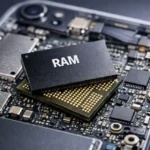
- RAM and Storage: All configurations include 12GB of LPDDR5X RAM, paired with either 256GB or 512GB of UFS 4.1 storage.
Performance & Hardware Specifications
| Component | Specifications |
|---|---|
| Processor | MediaTek Dimensity 8500-Ultra |
| Manufacturing Process | TSMC 4nm |
| AnTuTu v11 | 2.1 million (average) |
| Geekbench 7 Single-Core | 1,002 (~1,710 in Geekbench 6) |
| Geekbench 7 Multi-Core | 3,240 (~6,620 in Geekbench 6) |
| Cooling System | 3D IceLoop Cooling |
| Thermal Conductivity | 6 W/m·K (claimed) |
| RAM | 12GB LPDDR5X |
| Storage | 256GB / 512GB |
| Storage Type | UFS 4.1 |
Gaming Performance and Thermal Stability
For competitive games such as Call of Duty: Mobile and PUBG/BGMI, the Dimensity 8500-Ultra provides sufficient processing power for smooth gameplay, with 120 FPS available in supported games and settings.
In demanding open-world titles such as Genshin Impact, it can deliver a smooth 60 FPS experience under suitable graphics settings. However, after approximately 20 minutes of continuous gameplay, the chassis may become slightly warm, particularly around the camera and upper frame area.
Overall, the combination of the Dimensity chipset and IceLoop cooling system makes the Xiaomi 17T a capable device for gaming and everyday multitasking. Its sustained performance will ultimately depend on ambient temperature, graphics settings, and game optimization.
Camera Hardware & Features
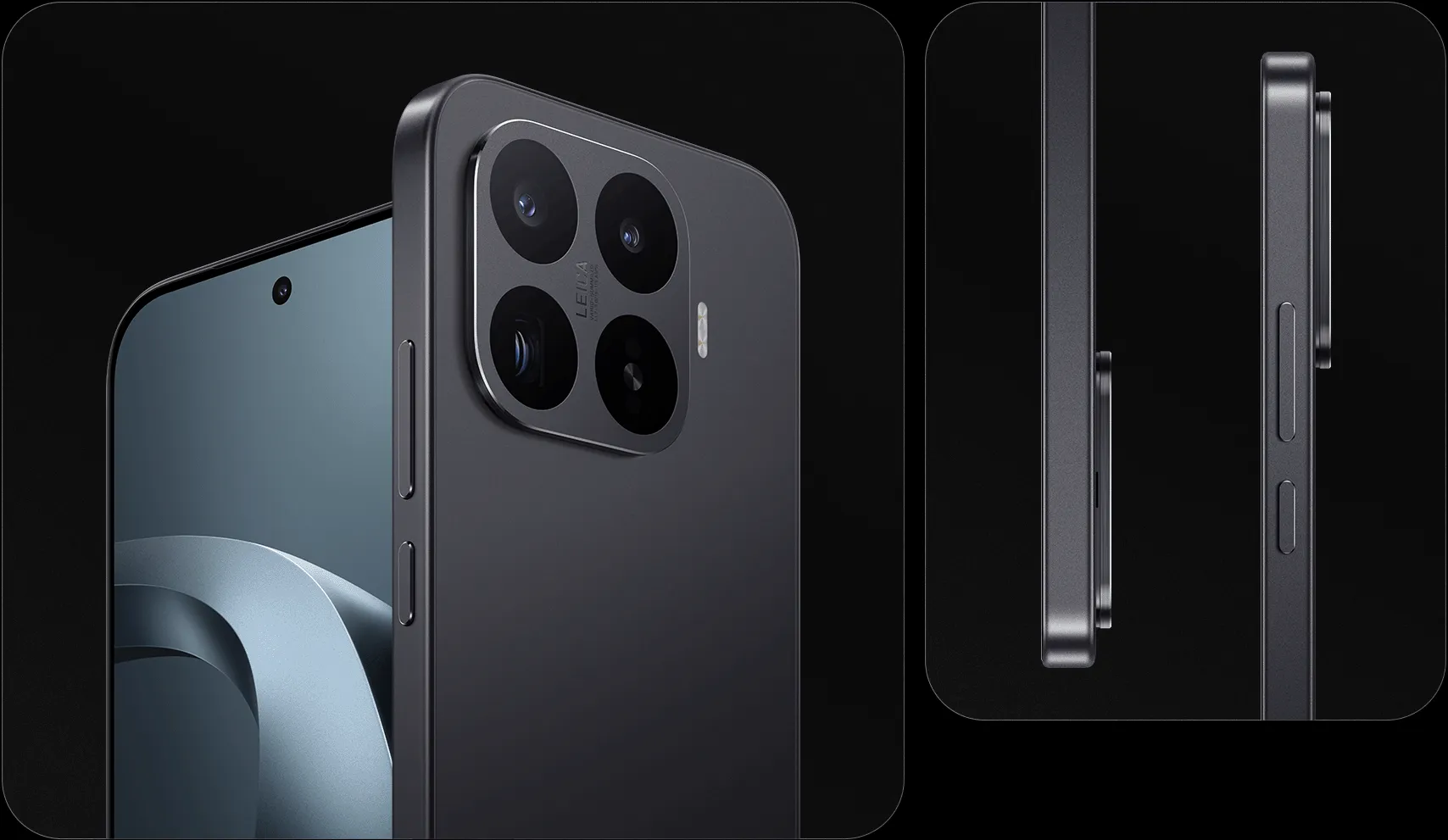
The Xiaomi 17T features a Leica co-engineered triple-camera system designed for versatile photography, covering daylight shots, portraits, and distant subjects. Both its main and telephoto cameras support up to 4K at 60fps video recording alongside HDR10+ and 10-bit Log capabilities.
- 50MP Main Camera: Features a 1/1.55-inch Light Fusion 800 sensor with an f/1.7 aperture and OIS, delivering detailed daytime shots and strong light capture in low light.
- 50MP Periscope Telephoto: Uses a 1/2.76-inch sensor with an f/3.0 aperture and OIS, offering 5x optical zoom, up to 120x AI-assisted digital zoom, and 30cm telemacro focusing.
- 12MP Ultrawide Camera: Features an f/2.2 aperture and a 120-degree field of view for wide landscapes and group photos.
- 32MP Selfie Camera: Uses a 1/3.42-inch sensor with an f/2.2 aperture for crisp selfies and video calls.
Leica Photography & Video Features
- Xiaomi’s Leica Partnership: Includes two distinct color profiles. Leica Authentic prioritizes natural colors and contrast, while Leica Vibrant produces punchier, more saturated shots suited to social media.
- 5x Periscope Telephoto: Enables portrait photography with natural-looking background separation and simulated focal lengths ranging from 23mm to 115mm.
- For Enthusiasts: The main and telephoto cameras support 50MP RAW capture in Pro mode, alongside Leica Live Moment, which saves a three-second motion clip around each shutter press.
- Video Capabilities: Both the main and telephoto cameras record up to 4K at 60fps with HDR10+ and 10-bit Log support, including LUT previews for color grading.
- Ultrawide & Selfie Video Limitations: The ultrawide and front cameras are capped at 4K at 30fps, meaning you cannot maintain 60fps when switching across all lenses mid-recording. However, the selfie camera does support HDR10+ video.
Battery & Connectivity
The Xiaomi 17T pairs a high-density 6,500 mAh battery with modern wireless standards like Bluetooth 6.0 and Wi-Fi 6E, though it relies on a slower USB 2.0 port.
Charging and Battery Life
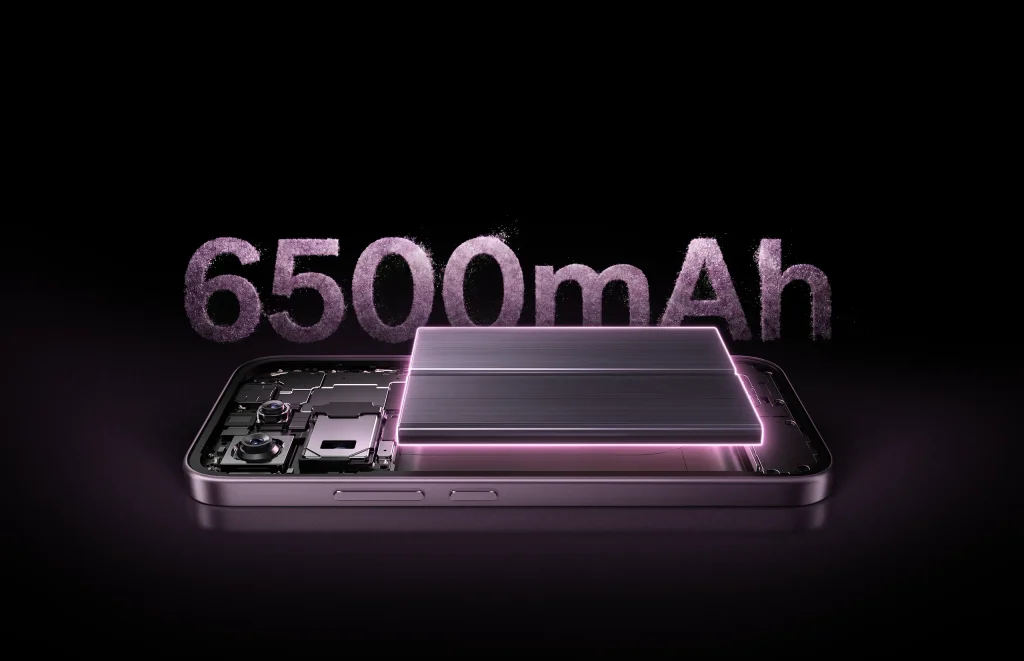
- Battery Performance: The global model packs a 6,500 mAh battery with 16% silicon content, engineered to retain at least 80% capacity after 1,600 charge cycles while easily lasting a full day and beyond.
- Charging Speed: The Xiaomi 17T supports 67W wired HyperCharge alongside universal 50W PPS and PD3.0 standards, taking approximately 58 to 60 minutes for a full charge (0–100%) and reaching nearly 55% in 30 minutes.
- Reverse Charging & Omissions: It supports 22.5W reverse wired charging for topping up accessories, though wireless charging is omitted and no power adapter is included in the box in many regions.
Connectivity & Ports
- Cellular Hardware: It supports Dual SIM 5G with eSIM compatibility depending on the region and uses Xiaomi’s T1+ and T1S signal enhancers for steadier reception.
- Wireless Standards: The smartphone features Bluetooth 6.0, Wi-Fi 6E, NFC, and an infrared blaster.
- USB Limitations: The USB Type-C port is capped at USB 2.0 speeds with OTG support, which limits wired data transfer rates when moving large files or 4K video clips.
Software & OS Updates (HyperOS 3)
The Xiaomi 17T ships with HyperOS 3 based on Android 16 out of the box. While animations and scrolling feel fluid and the built-in AI tools are genuinely useful, you may notice minor UI inconsistencies once or twice a week. Disabling pre-installed third-party apps also takes a few minutes during setup, which mirrors my personal experience using HyperOS on the Xiaomi 15 and POCO F6.
On the bright side, Xiaomi promises 4 major Android OS updates and 6 years of security patches. Combined with 12GB of LPDDR5X RAM and UFS 4.1 storage, the Dimensity 8500-Ultra has plenty of headroom to handle heavy app updates smoothly well past 2027.
My Take: What it Lacks & Should You Buy It?
To maintain a midrange price point, Xiaomi made a few deliberate cuts:
- Non-LTPO display (can’t scale down to 1Hz)
- Basic 12 MP ultrawide lens
- USB 2.0 limits the data transfer speeds
- Pre-installed bloatware out of the box
Is it worth buying? Yes, if your priorities are multi-day battery life, a bright Dolby Vision display, capable 5x optical zoom, and a strong processor in this segment. If you rely on wireless charging or prefer a cleaner out-of-the-box UI experience, consider alternatives like the Xiaomi 17T Pro or OnePlus 15R.