
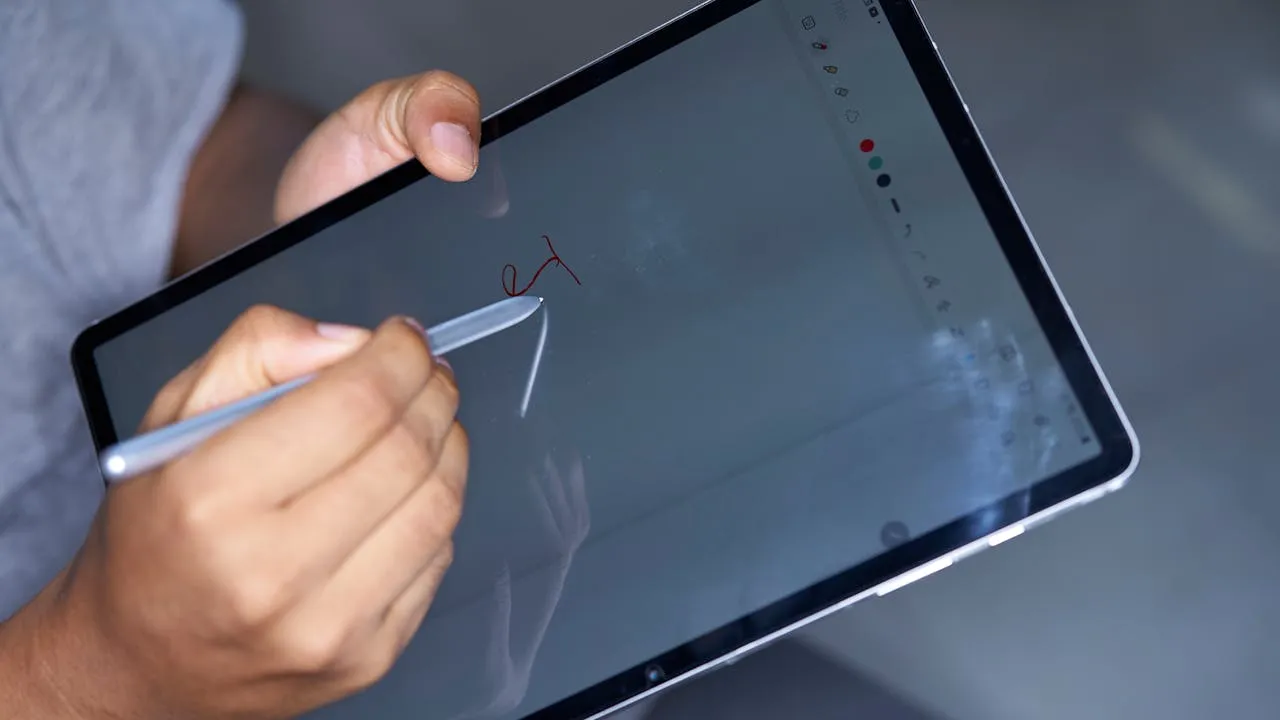
The Future of Stylus Tablets: How Effective Are They for Learning and Productivity?
In today’s digital world, a stylus tablet is no longer just a premium gadget for tech enthusiasts. It has become an essential productivity tool for students, professionals, researchers, writers, and creators.
From taking handwritten notes in class to managing office documents, annotating PDFs, sketching ideas, and organizing daily tasks, stylus-enabled tablets make learning and work smarter, faster, and more efficient.
With better displays, faster processors, improved stylus precision, and increasingly affordable options arriving in 2026, choosing the right stylus tablet can completely transform the way you study and work.
If you’re planning to buy one, understanding the different categories of stylus tablets is the best place to begin.
Table of Contents
Understanding the Different Categories of Stylus Tablets
Stylus tablets are designed for different types of users. Some focus entirely on distraction-free note-taking, while others provide powerful multitasking capabilities, creative tools, and entertainment features.
To make things simple, these devices can be divided into three major categories.
1. Academic Learning and Research
These tablets are built for students, researchers, and writers who prefer a focused, paper-like writing experience.
Most use E-Ink displays, making reading and handwriting feel natural while significantly reducing eye strain during long study sessions. Although they don’t offer vibrant displays or thousands of apps, they excel at deep learning and distraction-free note-taking.
Popular examples include:
- reMarkable tablets
- Kindle Scribe
- BOOX devices
- Supernote tablets
Best suited for:
- Reading academic books
- Annotating PDF documents
- Long-form writing
- Research note-taking
- Exam preparation
Downside: Most E-Ink tablets carry premium pricing, making them less affordable for many students.
2. Productivity-Based Tablets
These tablets provide the best balance between study, work, creativity, and entertainment.
They combine flagship processors, high-refresh-rate displays, generous storage, and excellent stylus support with productivity-focused software available on Android and iPadOS.
I have personally used the Samsung Galaxy Tab S7 Plus since 2021, and it continues to deliver an excellent experience for note-taking, multitasking, document editing, and academic work.
Popular examples include:
- Samsung Galaxy Tab S Ultra Series (includes S Pen)
- Apple iPad Pro with Apple Pencil
- Apple iPad Air
- Xiaomi Pad Pro
Ideal for:
- Students
- Working professionals
- Content creators
- Business presentations
- Creative multitasking
These devices deliver flagship performance but come with premium pricing.
3. Budget Student Tablets
Budget-oriented tablets are perfect for students entering digital learning without spending a fortune.
They provide reliable processors, good displays, and enough storage for online classes, handwritten notes, assignments, and entertainment.
Popular options include:
- Samsung Galaxy Tab FE / Lite Series
- Lenovo Tab P Series
- Redmi Pad Pro
Best for:
- School students
- College beginners
- Casual note-taking
- Online learning
- Entertainment
While they don’t match flagship devices in performance or stylus precision, they offer outstanding value for money.
Pros and Cons of Tablets with Stylus Support
Pros
- Excellent for handwritten notes and PDF annotation
- Improves productivity during meetings
- Perfect for artists and designers
- Reduces paper clutter
- Highly portable
- Natural handwriting experience
- One device for study, work, and entertainment
- Better organization of notes and projects
Cons
- Premium models are expensive
- Stylus and accessories increase total cost
- Cannot fully replace laptops for advanced software
- Requires time to adapt
- Battery dependency
- App distractions on Android and iPadOS
- Budget models offer lower stylus precision
- Extended screen usage may cause eye strain
Why Stylus Tablets Could Grow in India
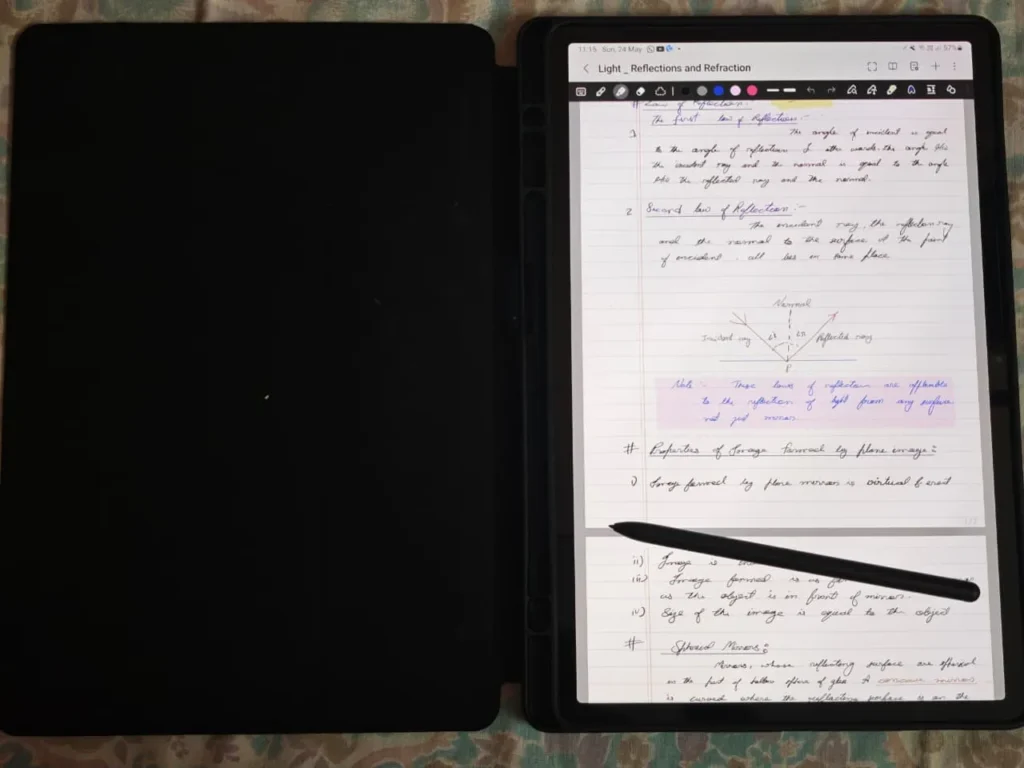
India’s education system and professional workplaces are becoming increasingly digital, creating strong demand for digital note-taking devices.
Stylus tablets are becoming especially useful for:
- College students replacing traditional notebooks
- UPSC aspirants annotating PDF study materials
- Researchers and writers
- Office professionals managing meetings and documents
- Users preferring E-Ink displays to reduce eye strain
As handwriting recognition, AI-assisted note organization, and automatic summarization continue to improve, stylus tablets will become even more practical for everyday productivity.
What Is Holding Stylus Tablets Back in India
The biggest obstacle remains pricing.
Premium devices such as the reMarkable 2 and Kindle Scribe often cost between ₹55,000 and ₹80,000 in India.
For many students, purchasing a standard Android tablet with stylus support—or even a laptop—offers better overall value.
Other challenges include:
- Limited official availability
- High import costs
- Fewer authorized service centers
- Low consumer awareness
What Will Likely Happen in the Next 3–5 Years
India’s stylus tablet market is expected to split into two major segments.
Premium users will increasingly choose distraction-free writing devices like reMarkable and BOOX for focused work and research.
Meanwhile, mainstream students are likely to continue purchasing Samsung FE tablets, Xiaomi tablets, and Lenovo tablets because they combine note-taking, apps, entertainment, and productivity in one device.
Although stylus tablets may never become as common as smartphones, they are expected to continue growing as a premium productivity category.
If pricing falls below the ₹30,000–₹40,000 range, adoption across India could increase significantly.
Final Verdict
Stylus tablets are among the smartest digital investments for students and professionals who prioritize productivity, organization, and efficient note-taking.
If your priority is a distraction-free writing experience with minimal eye strain, E-Ink paper-style tablets are an excellent choice.
However, if you need multitasking, entertainment, creative tools, and powerful performance, Android and iPad-based tablets offer a much more versatile experience.
As digital learning continues to expand across India and pricing becomes increasingly competitive, stylus tablets are well-positioned to play an even greater role in the future of education and professional productivity.