How Does the iPhone 18 Pro Perform?
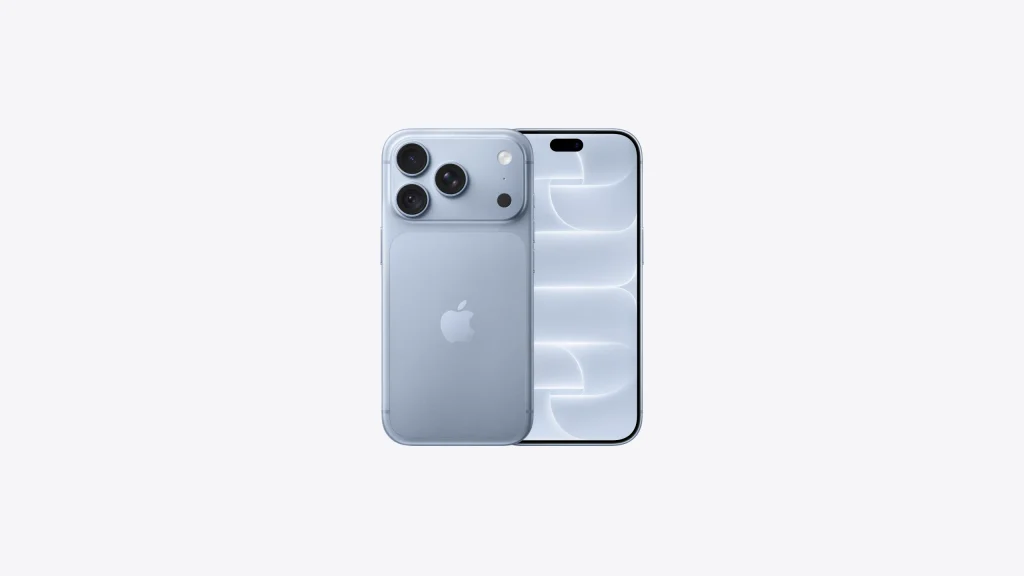
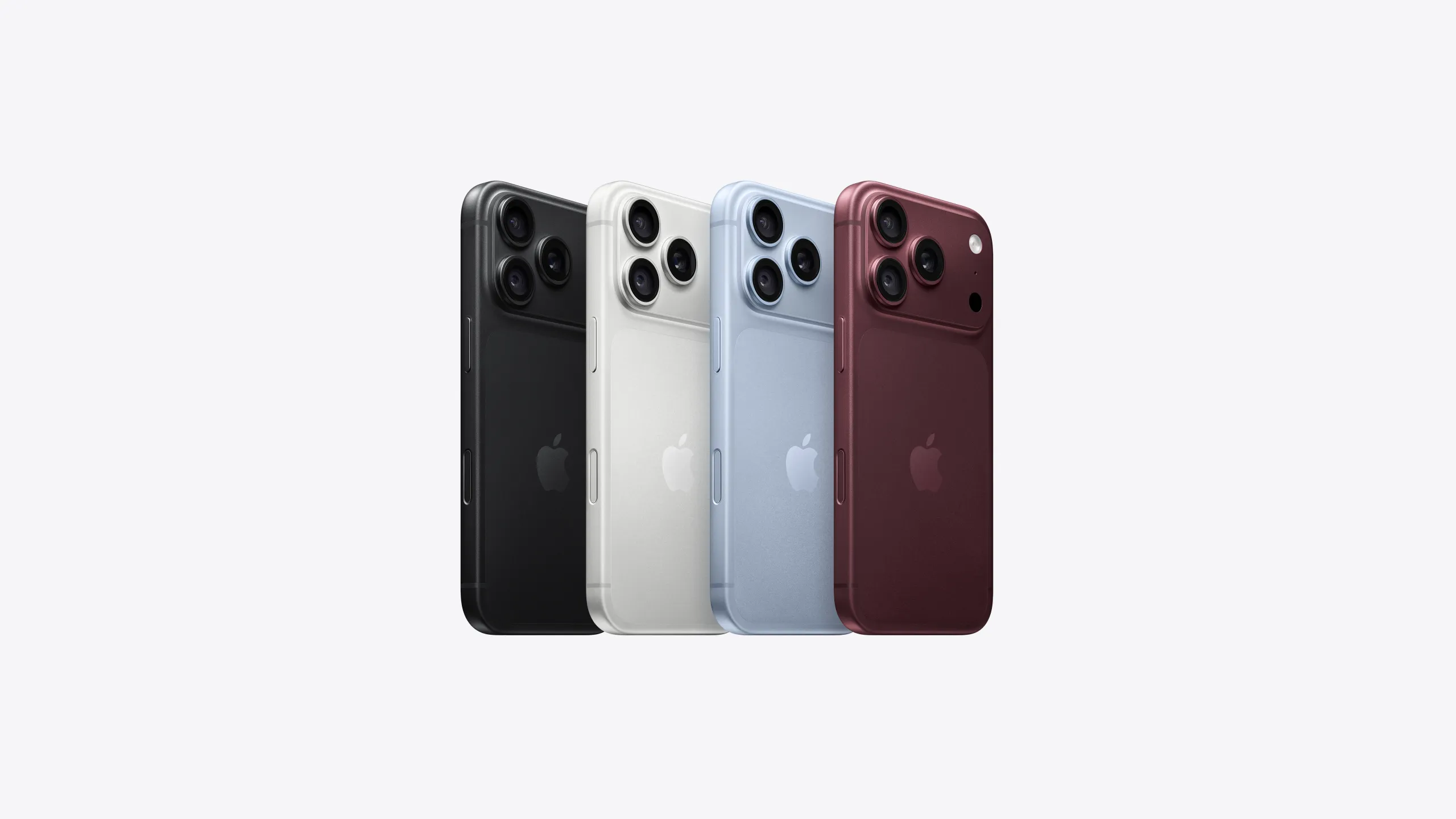
Apple officially launched the iPhone 18 Pro alongside the iPhone 18 Pro, iPhone Duo, Apple Watch Ultra 4, and AirPods 5 on September 9, 2026. The iPhone 18 Pro is powered by the Apple A20 Pro, a 2nm based processor. Prices start at ₹164900 for the 256GB variant.
After Samsung’s early-year launch of the Samsung Galaxy S26 with the Exynos 2600, built on 2nm architecture, Apple has entered the next generation of smartphone silicon. But what exactly does the iPhone 18 Pro bring to the table? More importantly, is it worth upgrading? And how does Apple’s new processor stack up against Samsung Exynos? Here is our technical breakdown.
Table of Contents
How Good is the Latest A20 Pro 2nm Processor?
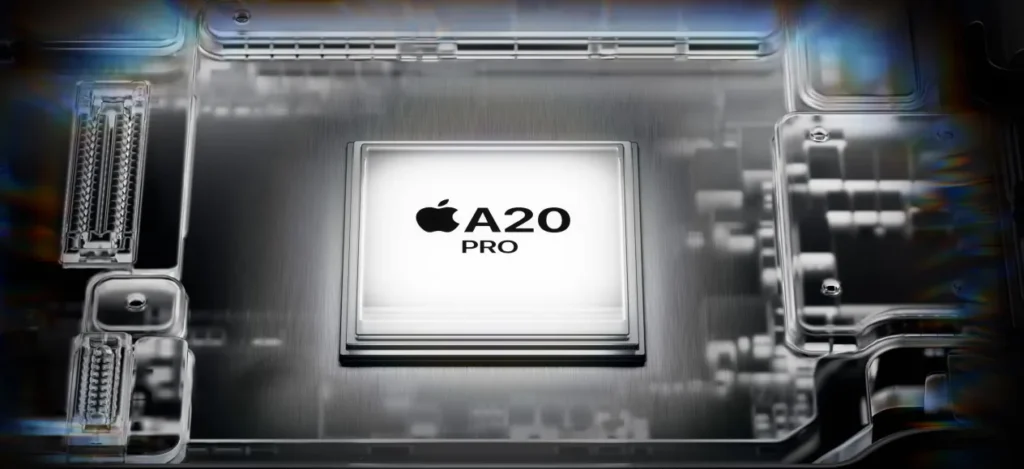
Apple has taken a major performance leap with the iPhone 18 Pro, powered by the new Apple A20 Pro chip built on a 2nm process. For comparison, the iPhone 18 Pro reportedly reaches approximately 3.5 million, and the iPhone 17 Pro scored around 2.3 million in AnTuTu v11.
However, the RedMagic 11 Pro Plus remains ahead in AnTuTu performance. Powered by Qualcomm’s Snapdragon 8 Elite Gen 5 (3nm), it reportedly achieves a massive 4.1 million score. The Samsung Galaxy S26, powered by the Exynos 2600 (2nm), follows with approximately 3.1 million.
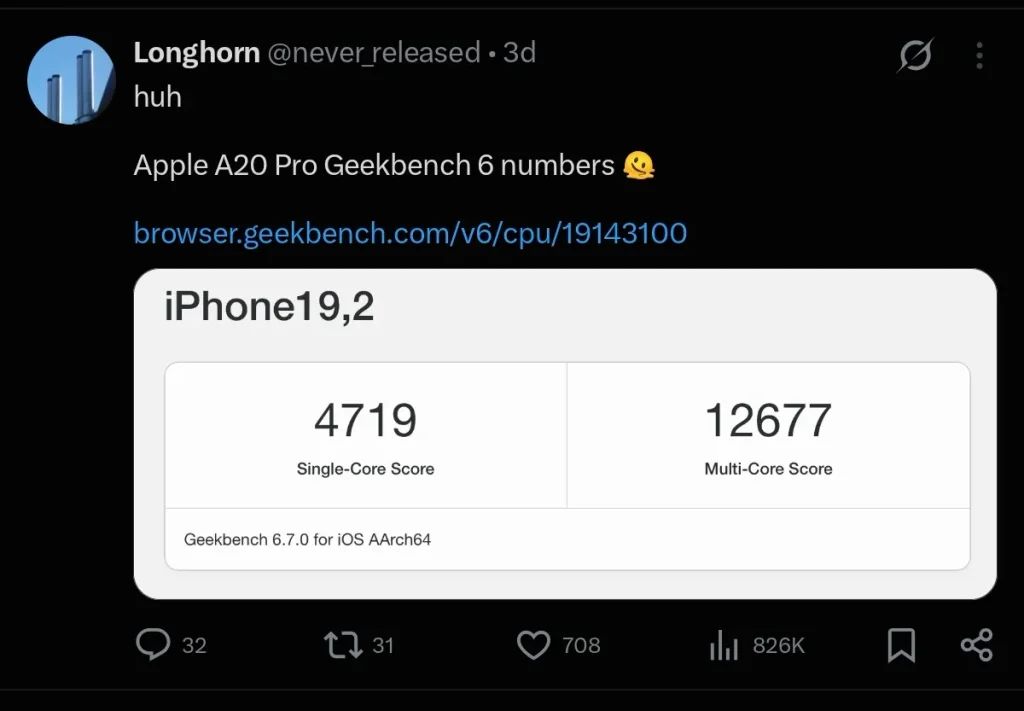
Geekbench 6 tells a different story, particularly in single-core performance. The 18 Pro takes the lead with a score exceeding 4,100, followed by the RedMagic 11 Pro Plus at more than 3,500. The iPhone 17 Pro Max scores around 3,400, while the Samsung Galaxy S26 reaches approximately 3,200.
The multi-core results are also competitive, with the 18 Pro reaching more than 12,000, ahead of the Redmagic 11 Pro Plus at more than 11,000, followed by the Galaxy S26, which is more than 10,500.
Flagship Performance Comparison
| Smartphone Spec / Benchmark | Apple iPhone 18 Pro | Redmagic 11 Pro Plus | Samsung Galaxy S26 (Exynos) | Apple iPhone 17 Pro Max |
|---|---|---|---|---|
| Processor SoC | Apple A20 Pro (2nm) | Snapdragon 8 Elite Gen 5 | Samsung Exynos 2600 (2nm) | Apple A19 Pro (3nm) |
| Cooling Architecture | Graphite Layer Passives | Active Air + Ice-Loop Liquid | Vapor Chamber Passives | Graphite Layer Passives |
| AnTuTu v11 (Total) | ~3.5 million | ~4.1 million | ~3.1 million | ~2.5 million |
| Geekbench 6 Single-Core | ~4,100 | ~3,500 | ~3,200 | ~3,4000 |
| Geekbench 6 Multi-Core | ~11,000 | ~11,000 | ~10,500 | ~10,000 |
| 3DMark Wild Life Extreme | ~7,100 | ~6,800 | ~5,800 | ~6,000 |
This highlights an important distinction: AnTuTu favors overall system performance, while Geekbench’s single-core results provide a clearer indication of CPU performance in individual workloads. Apple’s A20 Pro therefore appears to have a significant advantage in single-core performance, even though Snapdragon 8 Elite Gen 5 devices remain ahead in overall AnTuTu scores.
What’s Changed in the Camera?
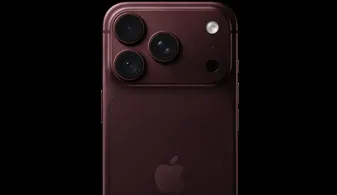
Apple introduced a true physical variable aperture on its main camera; it uses six laser-cut polymer composite blades that physically open and close to control light. The aperture can be set manually and automatically between f/1.48, f/1.8, f/2.8, and f/4.0, and it only applies to the main 48-megapixel camera.
Most of the camera hardware remains similar to the previous generation. It features a triple 48-megapixel camera setup, consisting of a primary camera with a variable aperture ranging from f/1.48 to f/4.0, a 100 mm periscope telephoto camera at f/2.8, and an ultrawide camera with an f/2.2 aperture.
The iPhone 18 Pro can record 4 K video at up to 120 fps, 1080p at up to 240 fps, along with support for Dolby Vision HDR and ProRes RAW at up to 120fps, and Apple Log 2. The major new feature is the addition of Cinematic mode to regular video recordings, giving content creators more control over exposure, dynamic range, color grading, and cinematic-looking footage.
Front camera remains identical as well: 18-megapixel with an aperture of f/1.9 can record 4 K up to 60 fps, and 1080p at up to 120 fps, featuring HDR, Dolby Vision HDR, ProRes RAW, and Apple Log 2.
What’s New in the Display?
The display panel hardware remains virtually identical to the iPhone 17 Pro, and the only notable change is a 30% smaller Dynamic Island. It features a 6.3-inch Super Retina XDR LTPO OLED panel, featuring 1a 20Hz refresh rate, Dolby Vision, HDR10, and it has a peak brightness of 3000 nits with an anti-reflective coating.
My Take: As someone who doesn’t particularly like notches or large display cutouts, I appreciate Apple’s decision to make the Dynamic Island smaller. While the change may seem minor on paper, it can make games and full-screen video content feel less obstructed.
iPhone 18 Pro: Battery and Improved Performance
It comes with a 4,056 mAh battery in the Nano-SIM model and a 4,288 mAh battery in the eSIM models. This represents only a modest increase over last year’s model, with gains of approximately 58 mAh and 30 mAh, respectively.
However, with the 2nm Apple A20 Pro chip, hardware performance has improved by 25% to 30% because the newer processor consumes less energy compared to the previous 3nm based processor. It delivers up to 34 hours of video playback, and the Apple C2 Modem consumes 15% less energy than the previous-gen C1X chip.
Also, the LTPO OLED display panel helps reduce power consumption by dynamically adjusting the refresh rate based on the content being displayed, further improving overall battery efficiency.
It can charge up to 50% in around 20 minutes using a compatible wired charger, while a 60W-capable adapter with AVS can deliver the same result in approximately 15 minutes.
Who Should Buy the iPhone 18 Pro?
It is a good choice for:
- Users upgrading from older iPhones: The A20 Pro, improved efficiency, battery life, display, and camera capabilities make it a significant upgrade from older generations.
- Power users and gamers: The improved performance and efficiency of the 2nm A20 Pro make it suitable for demanding games, video editing, and other intensive workloads.
- Content creators: The combination of the Pro camera system, high-quality OLED display, powerful processor, and strong video capabilities makes it well suited for photo and video creation.
- Users who prioritize battery life: Although the battery-capacity increase is relatively small, improvements in processor, modem, and display efficiency can help extend overall battery endurance.
- Users who dislike large notches: The smaller Dynamic Island provides a cleaner viewing area, which can be especially useful for gaming and watching videos.
- Long-term iPhone users: Those looking for a flagship they can keep for several years can benefit from Apple’s powerful silicon, long-term software support, and premium hardware.
Who Should Avoid the iPhone 18 Pro?
You may want to avoid it if:
- You already own an iPhone 17 Pro: The improvements are useful, but they may not justify upgrading after only one generation.
- You already have a recent flagship: Users with a capable iPhone 16 Pro or another recent high-end smartphone may not notice enough of a real-world difference to justify the cost.
- You want maximum battery capacity: The battery-capacity increase is relatively modest, so this isn’t the ideal upgrade if your primary expectation is a much larger battery.
- You prefer Android’s flexibility: Users who want extensive customization, sideloading, broader file-management options, or greater freedom over the operating system may prefer a high-end Android flagship.
- You are looking for the best value: The iPhone 18 Pro is a premium flagship, and its price may not make sense for users who don’t need its top-tier performance, cameras, or ecosystem integration.
Final Verdict
Apple iPhone 18 Pro gets a meaningful refinement over its predecessor that focuses on performance, efficiency, battery life, and overall usability rather than a complete redesign. The new A20 Pro, a 2nm chip, brings substantial performance and efficiency, with a more power-efficient C2 modem and LTPO OLED display further helping reduce power consumption.
Although the battery size increase itself is relatively small, the combination of improved silicon efficiency combined with other modem and display panel optimization allows the iPhone 18 Pro to deliver up to 30-plus hours of video playback. The fast charging capabilities make it more convenient for users who frequently rely on their smartphone throughout the day.
Related Articles
- iPhone Duo vs. iPad Mini: Can the 7.6-Inch Foldable Replace Your Tablet?
- The Rise of Mobile Processors: From Single-Core to AI
- How Does a Digital Camera Work? Everything You Need to Know
- Best Smartphone Under ₹ 100000 – 2026
- iPhone 17 vs. Pixel 10: Which Flagship Actually Fits You?
Frequently Asked Questions
Is the iPhone 18 Pro worth upgrading to?
The iPhone 18 Pro is worth considering for users coming from an older iPhone, particularly if they want improved performance, better power efficiency, longer battery life, and the latest camera and display features. However, iPhone 17 Pro users may not see enough of a difference to justify an immediate upgrade.
What processor does the iPhone 18 Pro use?
The iPhone 18 Pro is powered by Apple’s A20 Pro chip, built using a 2nm process. It is designed to deliver higher performance while improving power efficiency compared with the previous-generation 3nm chip.
How much battery does the iPhone 18 Pro have?
The iPhone 18 Pro has a 4,056 mAh battery in the Nano-SIM model and a 4,288 mAh battery in the eSIM models. Despite the relatively small increase in capacity, improved processor and modem efficiency can contribute to better overall battery endurance.
How long does the iPhone 18 Pro battery last?
Apple rates the iPhone 18 Pro for up to 34 hours of video playback. Actual battery life will vary depending on factors such as display brightness, refresh rate, gaming, camera usage, network conditions, and other workloads.
How fast can the iPhone 18 Pro charge?
The iPhone 18 Pro can reach 50% charge in around 20 minutes using a compatible wired charger. With a 60W-capable adapter with AVS, a full charge can take approximately 50 minutes, depending on charging conditions.
Does the iPhone 18 Pro have a smaller Dynamic Island?
Yes. It features a smaller Dynamic Island, which provides slightly more unobstructed screen space. This can be particularly useful when watching videos or playing games where the notch area can otherwise interfere with the viewing experience.
Does the iPhone 18 Pro use an LTPO OLED display?
Yes. It uses an LTPO OLED display, which can dynamically adjust its refresh rate depending on the content being displayed. This helps provide a smooth viewing experience while also improving power efficiency.
Is the iPhone 18 Pro better for gaming?
Yes. The combination of the A20 Pro’s higher performance, improved power efficiency, and high-refresh-rate LTPO OLED display makes it well-suited for demanding mobile games. However, sustained gaming performance will also depend on thermal management and game optimization.
Is the iPhone 18 Pro a major upgrade over the iPhone 17 Pro?
Not necessarily for everyone. It brings improvements to performance, efficiency, battery endurance, modem power consumption, and the Dynamic Island