Physical Address
304 North Cardinal St.
Dorchester Center, MA 02124
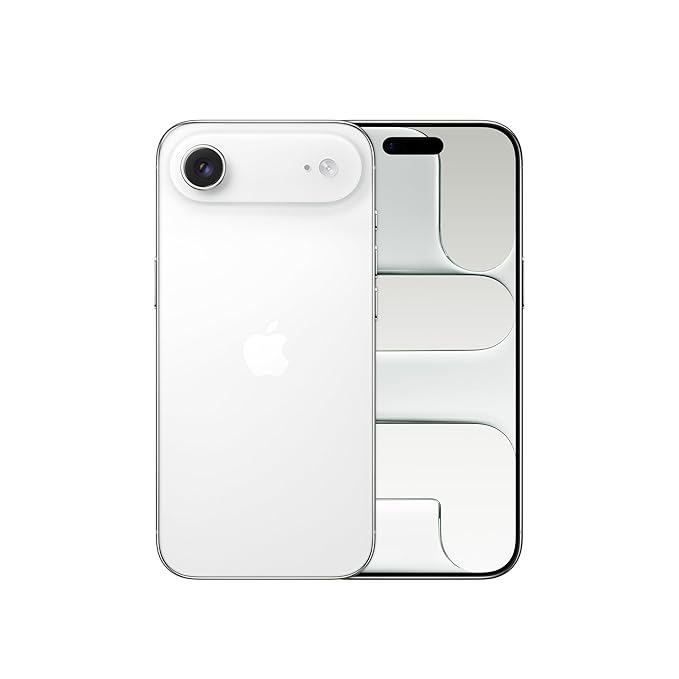
Here is a critical breakdown of why the new Apple iPhone 17 Air missed the mark for many users and reviewers, despite having a inovative design and Apple’s strong brand reputation
Though the design of the iPhone Air is premium, it is ultra-thin. This gradually leads to several compromises and complaints
Absence of Stereo Speakers: Thin design compromises space for another speaker; it does not come with stereo speakers
Shorter real-world endurance. Many users struggle to get a full day without external battery support for daily moderate use.
This leave iPhoen Air in a confusing position for customers
Apple missed the phone’s practicality
Apple did not grasp the users’ dynamics and left with too many cons
Processor is a very capable processor and can handle titles, games, and apps with ease, but it feels like the Fararri’s engine is forcefully assembled in a carriage
As a result, while having a sleek & premium design, iPhone Air did not meaningfully advance the smartphone experience beyond aesthetics
The iPhone Air base price of the 256GB variant is 112,900 INR or 873.98 USD, which is higher than the iPhone 17, which costs 82,000 INR and 799.00 USD, and being honest, the iPhone 17 is a better choice as compared to the iPhone Air.
For buyers looking for strong overall performance and photogenic versatility, iPhone Pro models look like a better choice
Apple has cut iPhone Air production sharply due to weak sales and demand not meeting expectations. While supply-chain sources indicate production orders are now near the end of production, Apple boosts production of the iPhone 17 and 17 Pro
Ming-Chi and others point to a massive reduction — up to 80% production cuts or scaling back of manufacturing lines, though early 2026, also suppliers like Foxconn have stopped most iPhone Air production, with other lines potentially shutting down by late 2025 – early 2026.
The problem is that the standard iPhone 17 already delivers everything most users expect in this price bracket. Check it on Apple’s website: solid battery life, dependable thermals, capable cameras, and a well-balanced overall experience. Against that backdrop, the Air struggles to justify its premium.
While the Apple A19 Pro is undoubtedly a powerful chipset, its potential feels underutilized. The lack of a larger battery and the absence of an advanced thermal chamber limit sustained performance, preventing the processor from truly shining in real-world use. As a result, the iPhone 17 Air ends up feeling like a bold idea held back by pricing and practical constraints, rather than the disruptive product it could have been.
And to be fair, the iPhone 17 Air had the potential to be one of 2025’s standout innovations—if Apple had priced it more realistically. Positioned under ₹65,000 (around $700), the Air would have made far more sense in the lineup. At that level, its ultra-thin design and lightweight appeal could have been viewed as smart trade-offs rather than costly compromises.
Detailed specification Apple iPhone 16 pro Max
Apple has not officially discontinued the iPhone 17 Air, but multiple reports suggest production has been significantly reduced due to weak demand.
The iPhone 17 Air struggled due to its premium pricing, limited battery life, single rear camera, and performance constraints caused by poor thermal management.
Yes, at a price under ₹65,000 or $700, the iPhone 17 Air would have been more appealing, as users would view its compromises as acceptable trade-offs.
The Apple A19 Pro is a capable and powerful processor, but its performance in the iPhone 17 Air is limited by a smaller battery and the lack of a proper thermal chamber.
The iPhone 17 Air is best suited for users who prioritize design and thinness. For better value, battery life, and features, the standard iPhone 17 or Pro models are stronger choices.