How Much RAM Does a Smartphone Really Need in 2026?
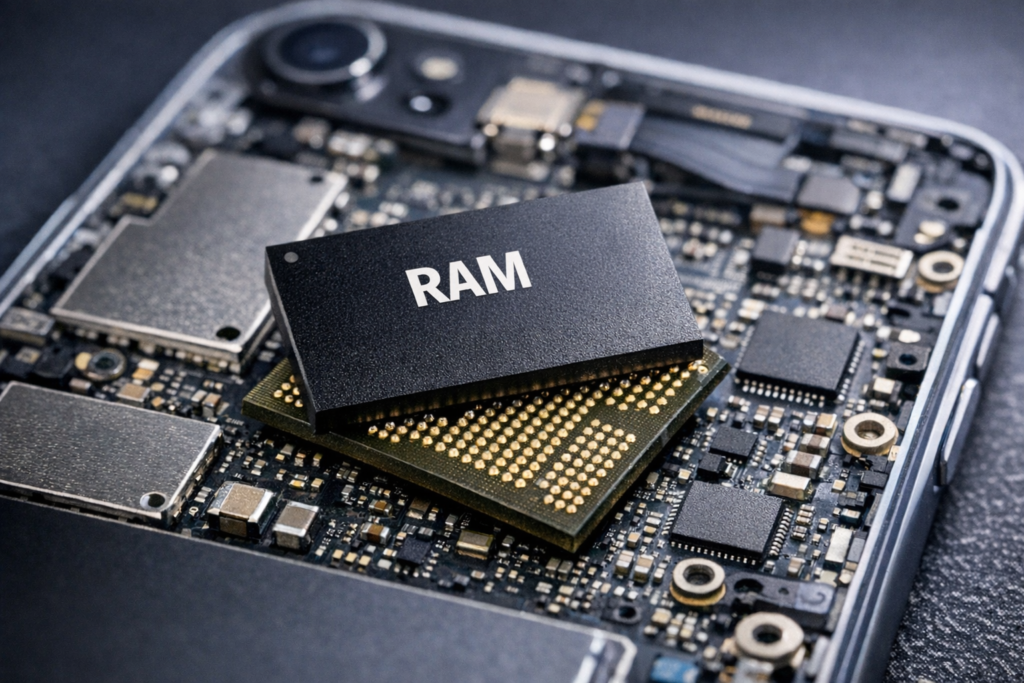
Table of Contents
Smartphone hardware has improved dramatically over the past decade. Modern devices now feature powerful processors, advanced AI engines, high-refresh-rate displays, and increasingly demanding applications. As these technologies evolve, one question many users still ask is: Is 8GB RAM enough for a smartphone in 2026?
The answer depends on how you use your phone. For many users, 8GB of RAM still offers a smooth and reliable experience. However, heavy multitaskers, gamers, and power users may benefit from higher memory configurations. To understand why RAM matters, it is important to first understand how it works in a smartphone.
Mobile RAM and Its Role in a Smartphone
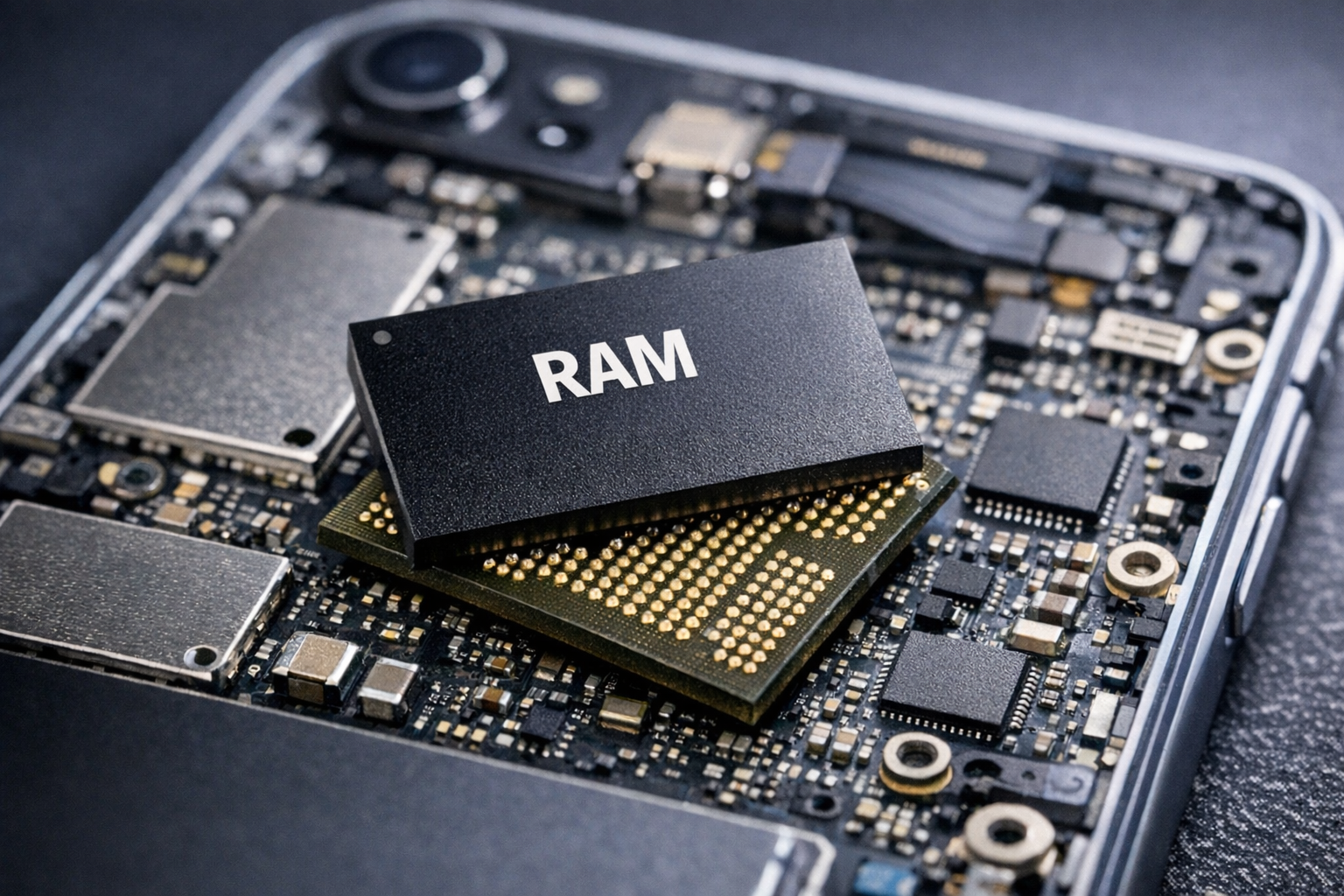
Random Access Memory (RAM) is one of the most important components inside any smartphone. While the operating system (OS) acts as the brain of the device, RAM functions as the workspace where apps and processes actively run.
Unlike storage, which permanently saves files and apps, RAM temporarily holds data that the system needs immediately. This includes running applications, background services, and system processes. Because of this, the amount of RAM directly influences how smooth, fast, and responsive your phone feels during everyday use.
When your phone has sufficient RAM, switching between apps feels seamless, and background tasks continue running without interruption. If RAM is limited, the system must close background apps more frequently, forcing them to reload when opened again.
In simple terms:
More RAM generally means better multitasking and smoother performance.
What Does Mobile RAM Actually Do in a Smartphone?
Think of RAM as your phone’s short-term memory. It temporarily stores active apps and system data so the device can access them instantly.
For example, when you switch between messaging apps, social media platforms, and a web browser, RAM allows these apps to remain active in the background.
The operating system relies on RAM to maintain:
- Smooth user interface performance
- Quick app switching
- Instant notifications
- Stable background processing
Apps like messaging platforms, social networks, and streaming services continuously run small background tasks. With adequate RAM, these processes run smoothly without slowing down the phone.
However, if RAM becomes full, the system starts closing background apps. This is why phones with limited RAM often reload apps when you switch back to them.
Mobile RAM: Gaming Performance
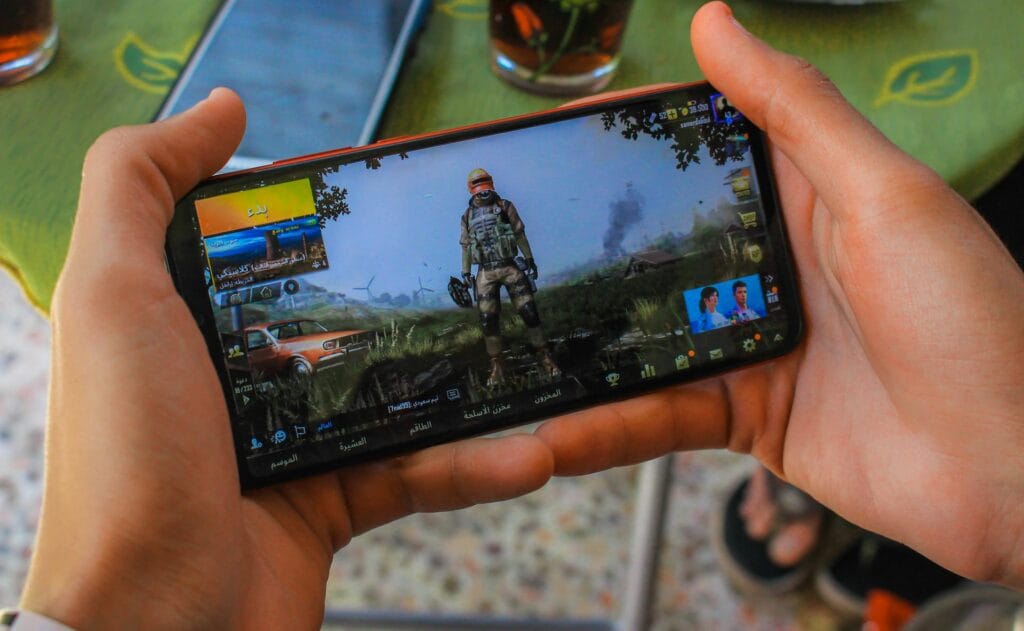
Mobile gaming has grown into a massive industry, and modern games are more demanding than ever before. Many popular titles now feature console-like graphics, large open maps, and real-time online gameplay.
Games such as PUBG/BGMI, Genshin Impact, and Wuthering Waves push smartphones to their limits. These titles require powerful processors, advanced graphics processing, and enough RAM to handle large game environments.
RAM plays an important role in gaming by helping the phone:
- Load game assets faster
- Maintain stable frame rates
- Store real-time game data
- Prevent stuttering during gameplay
Newer memory technologies, such as LPDDR5X RAM, which can reach speeds up to 8.5 Gbps, further improve performance by allowing faster data transfer between the processor and memory.
With 8GB of RAM, most users can enjoy smooth gameplay in popular mobile titles. However, gamers who frequently play heavy AAA games at high graphics settings may notice better stability with 12GB RAM, especially during long gaming sessions.
Mobile RAM: Camera Performance

RAM also plays an important role in your smartphone’s camera performance. While it does not directly affect megapixels or sensor quality, it greatly influences how quickly the camera processes images and videos.
Modern smartphone cameras rely heavily on computational photography, where multiple images are captured and processed together to produce the final photo.
Here are some ways RAM supports camera performance:
Fast Image Processing
When you take photos using HDR or Night Mode, the camera captures several frames in rapid succession. These images are temporarily stored in RAM before being merged into a single optimized photo.
High-Resolution Video Recording
Recording 4K or 8K video requires significant memory buffering. More RAM helps maintain stable recording performance and smoother stabilization.
AI-Based Features
Modern smartphones include AI-powered features such as:
- Scene detection
- Object tracking
- Background blur (portrait mode)
- Real-time filters
These features rely on RAM for fast processing while the image is being captured.
In short, sufficient RAM ensures faster camera startup, quicker photo processing, and smoother multitasking while recording videos.
Mobile RAM: Comparison for Practical Usage
| Usage Type | 4–6GB RAM | 8GB RAM | 12GB RAM |
|---|---|---|---|
| Casual Use | Smooth | Smooth | Smooth |
| Heavy Multitasking | Frequent Reloads | Occasional Reloads | Very Stable |
| AAA Gaming | Noticeable Lag | Good Performance | Excellent Stability |
| Future-Proofing | 1–2 Years | 2–3 Years | 4–5 Years |
Final Verdict: How Much RAM is needed in 2026
In 2026, 8GB RAM remains a solid choice for most smartphone users. It comfortably handles everyday activities such as social media, messaging, web browsing, streaming, and moderate gaming.
For the majority of people, 8GB offers an excellent balance between performance, efficiency, and affordability.
However, users who frequently play demanding games, create content, or keep many apps open simultaneously may benefit from 12GB RAM. Higher memory configurations also provide better long-term future-proofing as apps continue to grow more resource-intensive.
Overall, while smartphones are now available with 16GB or even more RAM, 8GB still delivers a smooth and reliable experience for most users in 2026.
To read about the Xiaomi 15