Physical Address
304 North Cardinal St.
Dorchester Center, MA 02124
Physical Address
304 North Cardinal St.
Dorchester Center, MA 02124
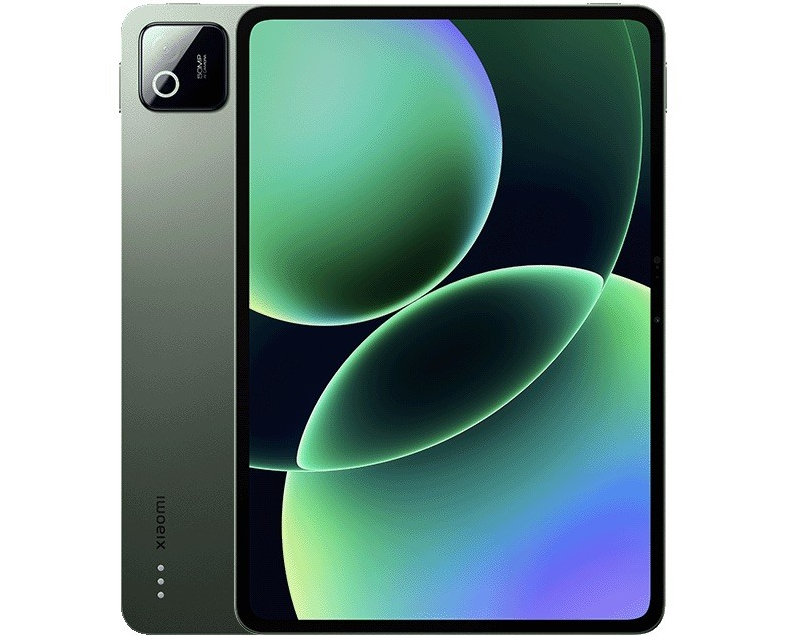
Xiaomi is expected to launch the Xiaomi Pad 8 and Pad 8 Pro alongside the Xiaomi 17 series between February and March. However, the global market is likely to receive only the Xiaomi Pad 8, while the Pad 8 Pro may remain exclusive to China.
The Xiaomi Pad 8 continues with a premium aluminium back and aluminium frame, similar to the Pad 7. It is expected to be 0.5mm thinner and approximately 15 grams lighter, making it more comfortable for extended usage.
The Xiaomi Pad 8 Pro is expected to feature the same solid and premium build quality as the standard Xiaomi Pad 8, likely sharing a similar design and construction materials.
Xiaomi has taken a safe approach with the Pad 8 — focusing on durability, simplicity, and reliable performance rather than flashy design changes.
The Xiaomi Pad 8 is expected to feature an 11-inch IPS LCD display with a 144Hz refresh rate, delivering smooth visuals for gaming and productivity. It offers a sharp 3200 × 2136 resolution, up to 800 nits peak brightness, and stylus support for creative and professional users.
The Xiaomi Pad 8 Pro is expected to feature an 11.2-inch IPS LCD, support 68B color, 144Hz refresh rate, HDR10, HDR Vivid, and Dolby Vision. The Pro variant offers the same resolution as non non-Pro variant with likely with the same peak brightness.
Xiaomi is also expected to provide a matte display option that reduces reflections and enhances the writing experience — ideal for note-taking, giving a natural pen-on-paper feel. The display specifications remain largely similar to last year’s Xiaomi Pad 7 lineup.
The biggest upgrade in the Xiaomi Pad 8 is its processor. It will reportedly be powered by the Snapdragon 8s Gen 4, offering a significant performance boost over the previous generation.
For comparison:
The Xiaomi Pad 8 is expected to achieve:
This translates to approximately 35–40% better performance compared to its predecessor.
The Xiaomi Pad 8 Pro, powered by the Snapdragon 8 Elite, is expected to cross:
Unfortunately, the Pro variant may not launch globally.
The Xiaomi Pad 8 and 8 Pro is expected to come in three configurations:
However, the base 8GB + 128GB variant may feel somewhat limiting in 2026, especially since the tablet does not support microSD card expansion. Additionally, this entry-level model is the only variant equipped with UFS 3.1 storage, while the higher configurations benefit from faster UFS 4.1 storage, which delivers significantly better performance and improved data transfer speeds.
The tablet is expected to pack a 9,200mAh battery, roughly a 10% increase over its predecessor. It may include either a 35W or 45W charger in the box.
Thanks to the improved efficiency of the Snapdragon 8s Gen 4, battery life should be better than last year’s model, although software optimisation will ultimately determine real-world endurance.
The Xiaomi Pad 8 is expected to retain the 13MP rear camera, which is adequate for casual photography and works well as a document scanner. The 8MP front camera should handle video calls and online meetings comfortably.
The Xiaomi Pad 8 Pro is also expected to retain the 50MP rear camera, capable of recording videos at 4K@30/60fps and 1080p@30/60fps. The Pro variant will additionally feature a color spectrum sensor for improved color accuracy and enhanced image processing. Meanwhile, the front camera specifications are expected to remain unchanged from the standard model.
The Xiaomi Pad 8 appears to be a well-balanced upgrade — not revolutionary, but refined. It focuses on delivering stronger performance, improved efficiency, and a premium build while maintaining a competitive price.
The expected price range in India is between ₹25,000 and ₹30,000 for the base model, making it a compelling option in the mid-premium tablet segment.