Physical Address
304 North Cardinal St.
Dorchester Center, MA 02124
Physical Address
304 North Cardinal St.
Dorchester Center, MA 02124
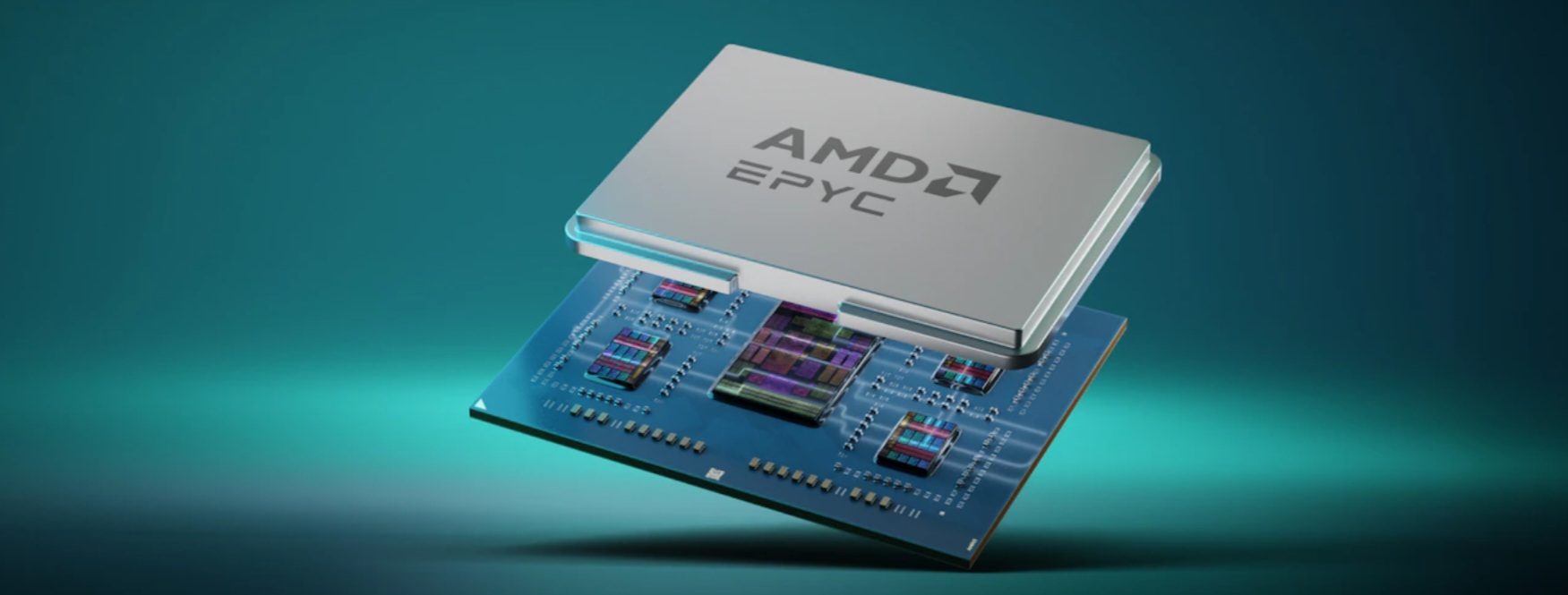
The AMD EPYC 8004 Series, codenamed “Siena”, is part of AMD’s 4th Generation EPYC processor family. Unlike flagship data center chips designed for maximum performance, Siena processors focus on power efficiency, compact deployment, and edge computing workloads.
Built using AMD’s Zen 4c architecture on a 5nm process, these processors are optimized for environments where power consumption, thermal output, and physical space are limited — such as telecom infrastructure, retail edge servers, and industrial deployments.
AMD EPYC 8005 series was announced on 25 February 2026, succsessor to the EPYC 8004 “Siena” processoer, it was launched in 2023. The EPYC 8004/5 series processor are designed for 1P servers with a special emphasis on Telco/RAN workloads and similer where there is a special emphasis on performance-per-dollar and performance-per-Watt.
The Siena platform is designed specifically for single-socket servers, making it ideal for compact and energy-efficient deployments.
One of the biggest strengths of the EPYC 8004 series is its outstanding performance-per-watt ratio. These processors deliver strong multi-core performance while maintaining lower energy consumption compared to traditional high-end server CPUs.
Siena processors are purpose-built for edge computing, telecom infrastructure, and network function virtualization (NFV). They perform exceptionally well in distributed computing environments.
With a TDP starting around 70W, these processors are easier to cool and deploy in smaller racks or remote locations where advanced cooling systems may not be available.
Despite targeting efficiency-focused workloads, EPYC 8004 still offers PCIe 5.0 and CXL 1.1 support, ensuring compatibility with modern accelerators, storage, and networking hardware.
With up to 64 Zen 4c cores, the Siena series handles parallel workloads efficiently, making it ideal for virtualization, microservices, and edge analytics.
Compared to higher-end EPYC processors, Siena supports only 6 memory channels instead of 12. This results in lower overall memory bandwidth.
The SP6 platform does not support dual-socket configurations, which limits scalability for large enterprise deployments.
Because it prioritizes efficiency over raw speed, Siena processors typically have lower maximum clock speeds compared to EPYC 9004 series processors.
High-performance computing (HPC), massive AI training clusters, and large-scale data centers may benefit more from AMD’s higher-tier EPYC platforms.
| Feature | EPYC 8004 (Siena) | High-End EPYC (Genoa/Bergamo) |
|---|---|---|
| Max Cores | Up to 64 | Up to 128+ |
| Memory Channels | 6 | 12 |
| PCIe Lanes | Up to 96 | 128+ |
| Socket Support | Single Socket (SP6) | Single/Dual Socket (SP5) |
| Primary Focus | Efficiency & Edge | Enterprise & HPC |
The AMD EPYC 8004 “Siena” series strikes a strong balance between power efficiency, core density, and modern connectivity. It is specifically engineered for edge computing and telecom workloads where space, power, and thermal efficiency are critical. AMD EPYC price around ₹78,452
However, organizations requiring maximum scalability, extreme memory bandwidth, or dual-socket configurations may find better value in AMD’s higher-tier EPYC platforms.
Overall, Siena is a smart choice for businesses seeking energy-efficient, compact, and modern server solutions.